







IGI 2.10 ct Fancy Intense Pink VS1 Cushion-Cut Lab-Grown Diamond


Expected to arrive by:Nov.6 - Nov.10
Crafted just for you and delivered within approximately 5-7 business days.
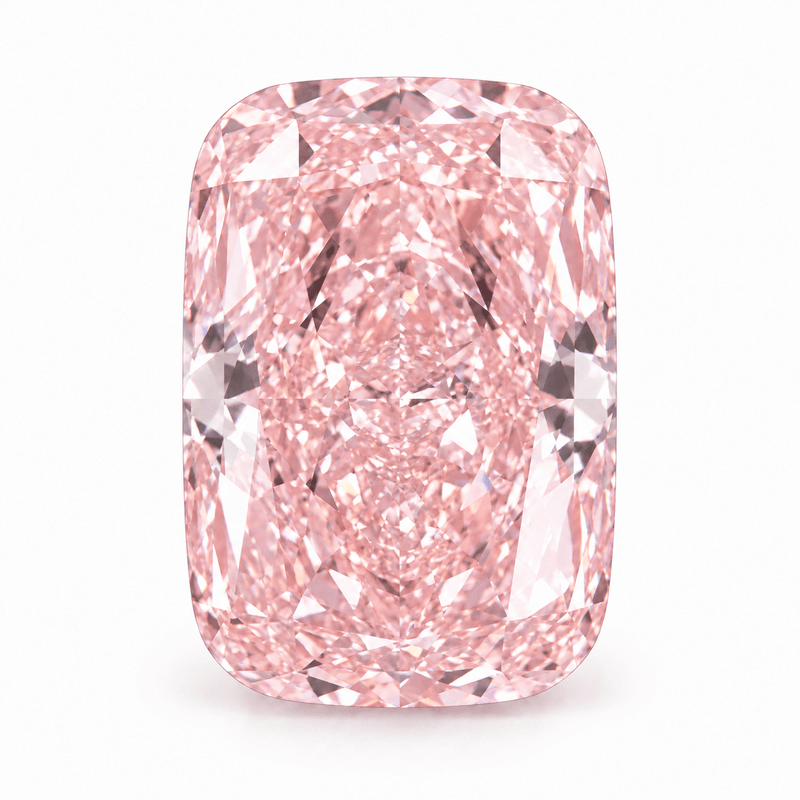
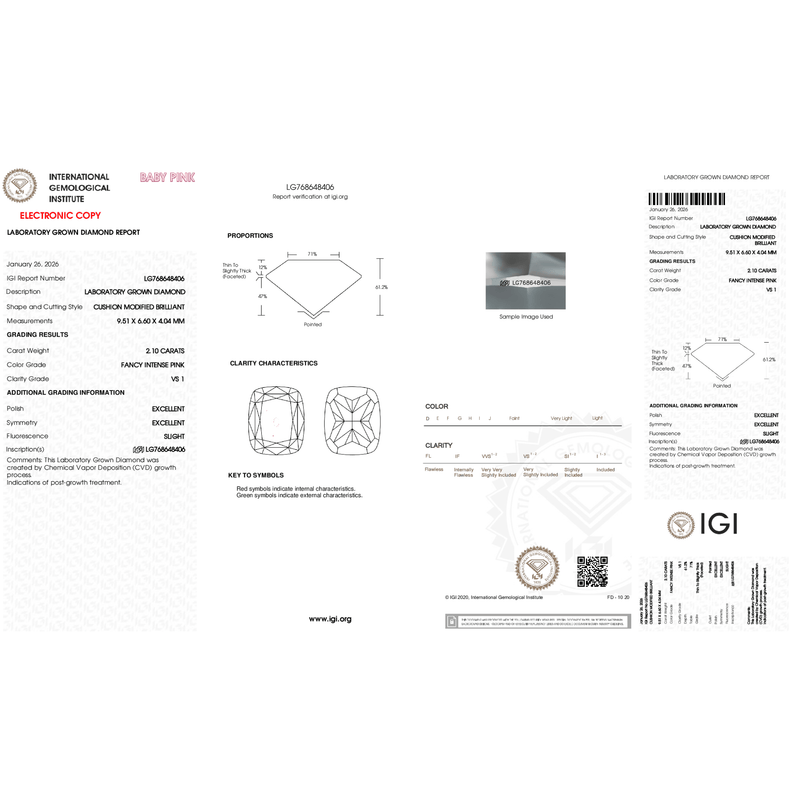
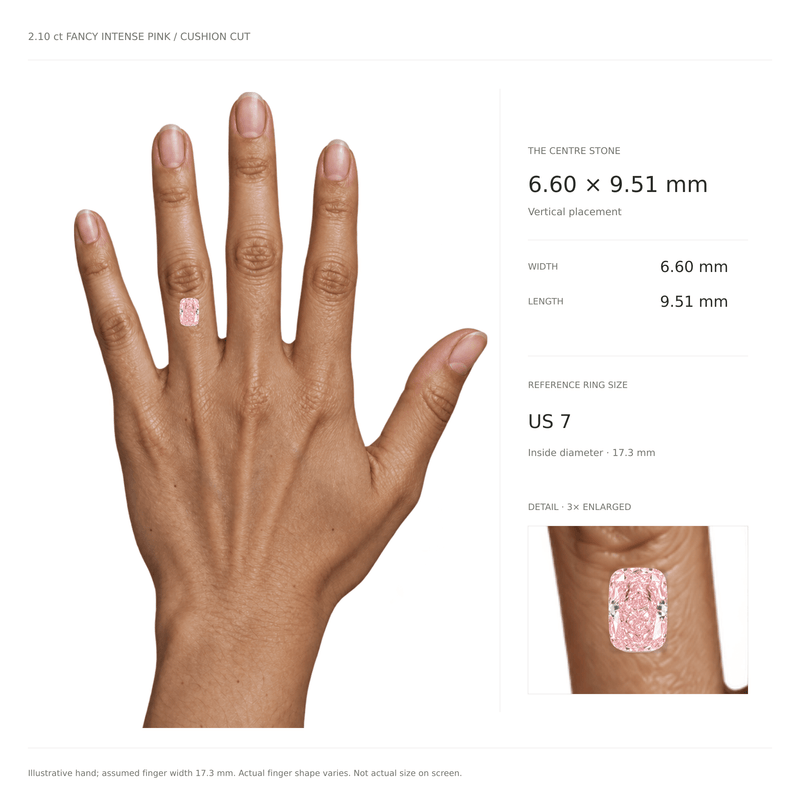
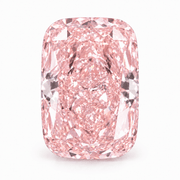
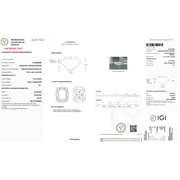
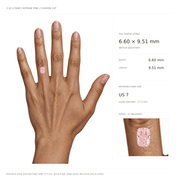
This 2.10-carat Fancy Intense Pink lab-grown diamond features an elongated cushion modified brilliant shape and VS1 clarity. It measures 9.51 × 6.60 × 4.04 mm, with Excellent polish and Excellent symmetry, as recorded in IGI report LG768648406.
Created by the chemical vapor deposition (CVD) process. The IGI report records Slight fluorescence and notes indications of post-growth treatment.
This listing is for one loose diamond; a setting is not included. IGI report LG768648406 is included.
You’ll receive an email with a link to access your digital diamond certificate after purchasing your diamond.

Free Shipping
On All Orders

180-Day Warranty
Quality Guaranteed

Secure Checkout
Encrypted & Protected Payments

Easy Returns
Free 30-Day Returns
Customize Your Jewelrys
Four quiet beats from first choice to your door.
-
STEP 01
Choose
Select your gemstone color, metal, and size.
-
STEP 02
Craft
Production begins 24 hours after purchase and takes up to 2 business days.
-
STEP 03
Ship
Carefully packaged and shipped, with transit taking up to 5 business days.
-
STEP 04
Arrive
Standard orders arrive within 5–7 business days of purchase.
Frequently Asked Questions
Are lab-grown diamonds real diamonds?
Yes. Lab-grown diamonds are genuine diamonds composed of crystallized carbon, with the same chemical composition, crystal structure, and physical and optical properties as natural diamonds.
The distinction lies in their origin: lab-grown diamonds are produced using advanced technology under controlled conditions, while natural diamonds form deep within the Earth over billions of years.
Are your loose diamonds certified?
Yes. Our loose diamonds are independently graded by the International Gemological Institute (IGI). Each diamond is accompanied by a grading report detailing its carat weight, color, clarity, and other key characteristics.
After your purchase, you'll receive an email with a link to access your digital IGI grading report.
Can I turn my loose diamond into a custom engagement ring?
Absolutely. We offer custom ring settings for any of our loose diamonds. Choose your preferred design, metal, and ring size to create a ring that's uniquely yours. Simply email us at hello@drexey.com to discuss your custom design.
How long does it take to receive my loose diamond
Loose diamonds typically arrive within 5–7 business days. If you're interested in a custom ring setting, production and delivery times will vary depending on your design. We'll provide an estimated timeline before you place your custom order.
Make Your Moment


The Diamond Guide
Cut: FAIR
A diamond's cut plays a defining role in its brilliance. The precise balance of proportions, polish, and symmetry determines how effectively light interacts with the stone. At DREXEY, we prioritize precision cutting to bring out each diamond's brilliance, fire (flashes of color), and scintillation (sparkle).
Cut: GOOD
A diamond's cut plays a defining role in its brilliance. The precise balance of proportions, polish, and symmetry determines how effectively light interacts with the stone. At DREXEY, we prioritize precision cutting to bring out each diamond's brilliance, fire (flashes of color), and scintillation (sparkle).
Cut: VERY GOOD
A diamond's cut plays a defining role in its brilliance. The precise balance of proportions, polish, and symmetry determines how effectively light interacts with the stone. At DREXEY, we prioritize precision cutting to bring out each diamond's brilliance, fire (flashes of color), and scintillation (sparkle).
Cut: IDEAL
A diamond's cut plays a defining role in its brilliance. The precise balance of proportions, polish, and symmetry determines how effectively light interacts with the stone. At DREXEY, we prioritize precision cutting to bring out each diamond's brilliance, fire (flashes of color), and scintillation (sparkle).
Cut: SUPER IDEAL
A diamond's cut plays a defining role in its brilliance. The precise balance of proportions, polish, and symmetry determines how effectively light interacts with the stone. At DREXEY, we prioritize precision cutting to bring out each diamond's brilliance, fire (flashes of color), and scintillation (sparkle).
Clarity: SI2
A diamond's clarity refers to the presence of internal characteristics, known as inclusions, and external characteristics, called blemishes. These naturally occurring features can develop during the diamond's formation. Clarity is graded based on the size, number, location, and visibility of these characteristics. Diamonds with fewer and less noticeable inclusions receive higher clarity grades.
Clarity: SI1
A diamond's clarity refers to the presence of internal characteristics, known as inclusions, and external characteristics, called blemishes. These naturally occurring features can develop during the diamond's formation. Clarity is graded based on the size, number, location, and visibility of these characteristics. Diamonds with fewer and less noticeable inclusions receive higher clarity grades.
Clarity: VS2
A diamond's clarity refers to the presence of internal characteristics, known as inclusions, and external characteristics, called blemishes. These naturally occurring features can develop during the diamond's formation. Clarity is graded based on the size, number, location, and visibility of these characteristics. Diamonds with fewer and less noticeable inclusions receive higher clarity grades.
Clarity: VS1
A diamond's clarity refers to the presence of internal characteristics, known as inclusions, and external characteristics, called blemishes. These naturally occurring features can develop during the diamond's formation. Clarity is graded based on the size, number, location, and visibility of these characteristics. Diamonds with fewer and less noticeable inclusions receive higher clarity grades.
Clarity: VVS2
A diamond's clarity refers to the presence of internal characteristics, known as inclusions, and external characteristics, called blemishes. These naturally occurring features can develop during the diamond's formation. Clarity is graded based on the size, number, location, and visibility of these characteristics. Diamonds with fewer and less noticeable inclusions receive higher clarity grades.
Clarity: VVS1
A diamond's clarity refers to the presence of internal characteristics, known as inclusions, and external characteristics, called blemishes. These naturally occurring features can develop during the diamond's formation. Clarity is graded based on the size, number, location, and visibility of these characteristics. Diamonds with fewer and less noticeable inclusions receive higher clarity grades.
Clarity: IF
A diamond's clarity refers to the presence of internal characteristics, known as inclusions, and external characteristics, called blemishes. These naturally occurring features can develop during the diamond's formation. Clarity is graded based on the size, number, location, and visibility of these characteristics. Diamonds with fewer and less noticeable inclusions receive higher clarity grades.
Clarity: FL
A diamond's clarity refers to the presence of internal characteristics, known as inclusions, and external characteristics, called blemishes. These naturally occurring features can develop during the diamond's formation. Clarity is graded based on the size, number, location, and visibility of these characteristics. Diamonds with fewer and less noticeable inclusions receive higher clarity grades.
Color: J
Diamond color refers to the natural body color of a diamond. Colorless diamonds are graded on a scale from D (colorless) to Z (light yellow or brown), while fancy color diamonds are evaluated based on their hue, tone, and saturation. From delicate pinks to vivid hues, each diamond's color contributes to its distinctive character.
Color: I
Diamond color refers to the natural body color of a diamond. Colorless diamonds are graded on a scale from D (colorless) to Z (light yellow or brown), while fancy color diamonds are evaluated based on their hue, tone, and saturation. From delicate pinks to vivid hues, each diamond's color contributes to its distinctive character.
Color: H
Diamond color refers to the natural body color of a diamond. Colorless diamonds are graded on a scale from D (colorless) to Z (light yellow or brown), while fancy color diamonds are evaluated based on their hue, tone, and saturation. From delicate pinks to vivid hues, each diamond's color contributes to its distinctive character.
Color: G
Diamond color refers to the natural body color of a diamond. Colorless diamonds are graded on a scale from D (colorless) to Z (light yellow or brown), while fancy color diamonds are evaluated based on their hue, tone, and saturation. From delicate pinks to vivid hues, each diamond's color contributes to its distinctive character.
Color: F
Diamond color refers to the natural body color of a diamond. Colorless diamonds are graded on a scale from D (colorless) to Z (light yellow or brown), while fancy color diamonds are evaluated based on their hue, tone, and saturation. From delicate pinks to vivid hues, each diamond's color contributes to its distinctive character.
Color: E
Diamond color refers to the natural body color of a diamond. Colorless diamonds are graded on a scale from D (colorless) to Z (light yellow or brown), while fancy color diamonds are evaluated based on their hue, tone, and saturation. From delicate pinks to vivid hues, each diamond's color contributes to its distinctive character.
Color: D
Diamond color refers to the natural body color of a diamond. Colorless diamonds are graded on a scale from D (colorless) to Z (light yellow or brown), while fancy color diamonds are evaluated based on their hue, tone, and saturation. From delicate pinks to vivid hues, each diamond's color contributes to its distinctive character.

