- May 27
- By DREXEY Editorial
Laboratory-grown diamonds are crystalline carbon produced in a controlled environment rather than formed underground. They have essentially the same defining chemical, physical, and optical properties as mined diamonds, but their origin, pricing, reporting, and resale market are different.
For shoppers in 2026, the most important questions are no longer simply whether a diamond was grown in a lab. Ask how clearly its origin is disclosed, how its quality was assessed, whether the report can be verified, and whether the finished jewelry is well cut, securely set, and honestly priced.
The Quick Answer
Lab-grown diamonds can be a sensible choice if you want diamond hardness and brilliance with a more accessible initial price. They are not a shortcut around quality. Cut, transparency, setting, metal, and workmanship still determine whether the finished piece looks beautiful and wears well.
They should generally be purchased to wear, not as an investment. Prices and resale demand can change, and a lower retail price does not guarantee strong secondhand value.
What Is a Lab-Grown Diamond?
A lab-grown diamond is crystallized carbon produced using technology that recreates the conditions needed for diamond growth. The two main methods are:
- HPHT: High pressure and high temperature are used to grow diamond crystal.
- CVD: Carbon-containing gas is used to deposit diamond material onto a seed crystal in controlled layers.
The growth method changes the origin story, not the identity of the material. A properly identified lab-grown diamond is diamond. It is not cubic zirconia, glass, moissanite, or white sapphire.
The U.S. Federal Trade Commission requires sellers to use a clear qualifier such as “laboratory-grown” or “laboratory-created” directly with the word “diamond.” This distinction matters because a shopper should never have to guess whether a stone was mined, laboratory-grown, or simulated.
Are Lab-Grown Diamonds the Same as Mined Diamonds?
They share the defining properties of diamond, including a Mohs hardness of 10 and the optical behavior associated with diamond. Their formation and market context are not the same.
| Feature | Lab-Grown Diamond | Mined Diamond |
|---|---|---|
| Material | Diamond | Diamond |
| Origin | Grown in a controlled environment | Formed through geological processes |
| Common growth or formation | HPHT or CVD | Natural geological formation |
| Initial price | Often lower for comparable stated specifications | Often higher due in part to natural rarity and market factors |
| Resale market | Less established and often more price-sensitive | More established, though resale is never guaranteed |
| Required disclosure | Must be clearly identified as laboratory-grown or laboratory-created | Sold as natural or mined diamond when accurately identified |
Specialized gemological equipment can distinguish laboratory-grown from natural origin. That is one reason independent reports and verifiable inscriptions matter for significant stones.
What Changed in Lab-Grown Diamond Grading?
This is where older buying guides can now mislead shoppers.
Since October 1, 2025, GIA has used a separate quality assessment for eligible colorless to near-colorless lab-grown diamonds. Instead of applying its traditional natural-diamond color and clarity nomenclature, GIA describes qualifying stones as Premium or Standard based on an overall assessment of color, clarity, cut, polish, and symmetry. Stones that do not meet the minimum Standard criteria do not receive that designation. Existing GIA lab-grown diamond reports remain valid.
IGI has taken a different approach and continues to apply the 4Cs to both natural and lab-grown diamonds. This means two legitimate reports may communicate laboratory-grown diamond quality in different formats.
Do not judge a report only by the logo at the top. Check:
- Whether the report clearly identifies laboratory-grown origin
- Whether the report number verifies on the issuing laboratory's website
- Whether any listed inscription matches the stone when it can be inspected
- Which grading or assessment system the laboratory currently uses
- Whether the report describes treatments or growth information, when provided
Small accent stones are not always individually reported. In those cases, the seller's material disclosure and quality control become especially important.
What Actually Affects Beauty?
Cut and Light Performance
Cut has the greatest visible influence on brightness, fire, and contrast. A high color or clarity description cannot rescue a poorly proportioned stone that leaks light or looks flat.
For a round brilliant, review cut quality as well as polish and symmetry. Fancy shapes such as oval, emerald, radiant, cushion, and marquise cuts require more visual judgment because attractive proportions can vary. Look for balanced outlines, even light return, and minimal distracting darkness or windowing.
Color and Clarity
Most shoppers do not need to chase the highest label available. The practical goal is a stone that looks appropriately colorless and eye-clean in the design, size, and metal you have chosen.
Review the actual stone or a clear video when possible. A report records characteristics under controlled conditions, while your eye experiences the complete piece in motion and everyday light.
Setting and Construction
A report describes the stone, not the entire piece of jewelry. Check the metal, prongs or bezel, symmetry, stone security, finishing, and after-sales support. A beautifully assessed diamond can still disappoint if the setting is light, uneven, or poorly finished.
Lab-Grown Diamond vs. Moissanite or White Sapphire
These materials can all create a colorless look, but they should not be treated as interchangeable names.
- Lab-grown diamond is diamond grown in a controlled environment.
- Moissanite is silicon carbide and usually shows stronger rainbow fire.
- White sapphire is colorless corundum with a quieter, more restrained light return.
If you are comparing these options, read our guide to white sapphire vs. moissanite. It explains the visual and practical differences without presenting either stone as a diamond.
Price and Resale: Set Realistic Expectations
Lab-grown diamonds often cost less initially than mined diamonds with comparable stated specifications. That can let a buyer prioritize a larger face-up size, stronger cut, or a better setting within the same budget.
The tradeoff is a less predictable resale market. Production technology and wholesale pricing continue to evolve, so replacement prices may decline. A secondhand buyer may focus on the current market price, metal value, brand, design, condition, and demand for that exact piece.
This does not make lab-grown diamonds a poor purchase. It makes the reason for buying important. Buy one for its appearance, durability, design, and the experience of wearing it. Do not rely on guaranteed appreciation or assume the original retail price will be recovered.
Are Lab-Grown Diamonds More Sustainable?
Laboratory origin does not automatically mean carbon-free, impact-free, or sustainable. Diamond growth requires energy, and the environmental result depends on the production method, electricity source, facility efficiency, location, and supporting evidence.
Mining is avoided for that particular stone, but broad environmental claims still require proof. A transparent seller should make specific, supportable statements rather than treating “lab-grown” as a complete environmental certification.
A Practical Buying Checklist
Before purchasing, confirm:
- The stone is clearly described as laboratory-grown or laboratory-created diamond
- The grading report or quality assessment is current, verifiable, and understood
- The cut looks bright and balanced in actual photos or video
- Color and clarity are appropriate for the design, not selected only for a label
- The metal and setting construction are clearly stated
- Return, warranty, resize, and repair terms are available before checkout
- No guaranteed resale, investment, or unsupported environmental promise is being used to close the sale
Frequently Asked Questions
Are lab-grown diamonds real diamonds?
The precise description is laboratory-grown diamond: crystalline carbon with essentially the same defining chemical, physical, and optical properties as mined diamond, but with a laboratory origin that must remain clearly disclosed. Drexey avoids the unqualified word “real” for artificially produced jewelry materials in line with the FTC Jewelry Guides.
Can a jeweler tell a lab-grown diamond by looking at it?
Not reliably with unaided visual inspection. Gemological laboratories use specialized testing to determine growth origin.
Do lab-grown diamonds get cloudy?
Diamond itself does not normally become cloudy simply because it is laboratory-grown. Oil, lotion, soap, and residue can reduce visible sparkle. Damage, inclusions, coatings, or treatment-related issues are separate questions.
Is GIA or IGI better for lab-grown diamonds in 2026?
Both provide independent identification, but they now communicate quality differently. GIA uses Premium and Standard assessments for eligible D-to-Z lab-grown diamonds, while IGI continues to use the 4Cs. Understand the report format and verify the number rather than comparing labels as if the systems were identical.
Are lab-grown diamonds a good investment?
They should not generally be purchased with an expectation of appreciation. Their strongest value is the beauty, durability, and design you can wear now.
The Drexey Perspective
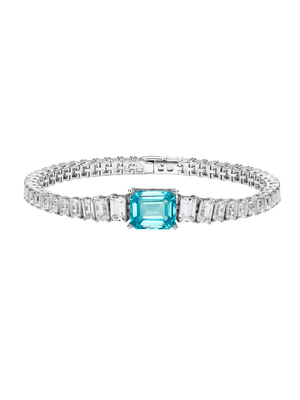
Precise language creates trust. Lab-grown diamond, moissanite, white sapphire, lab-grown sapphire, and Paraiba Hue YAG are different materials and should be named accordingly.
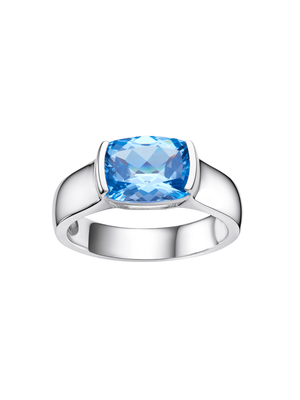
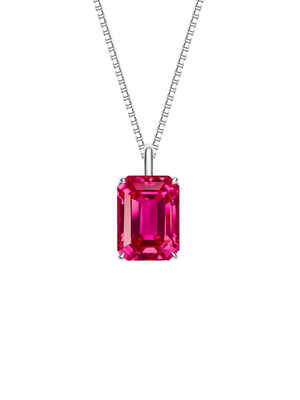
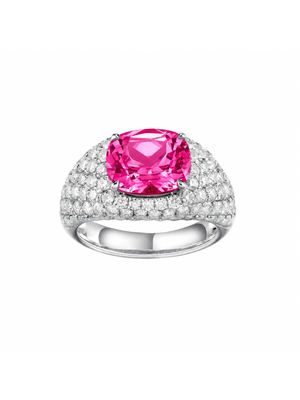
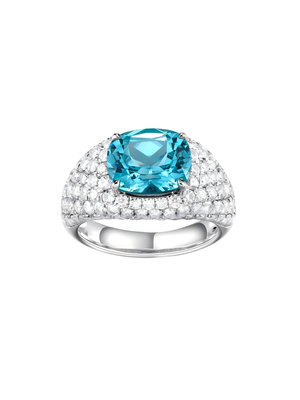
At Drexey, our focus is lab-grown colored gemstone jewelry and clearly identified accent materials. The same buying principle applies across every category: know what the material is, understand what the price includes, and choose the color, cut, and craftsmanship you genuinely want to wear.
For a broader look at value beyond diamonds, read Are Lab-Grown Gemstones Worth It?.
Featured image: Colorless lab-grown diamond photographed by Igor Stratichuk, CC BY-SA 4.0, via Wikimedia Commons. No changes made.