- May 27
- By DREXEY Editorial
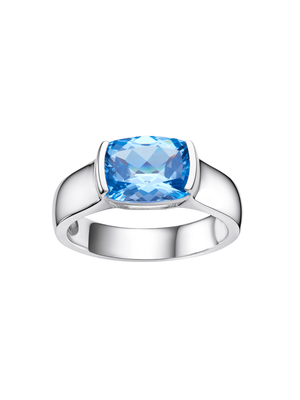
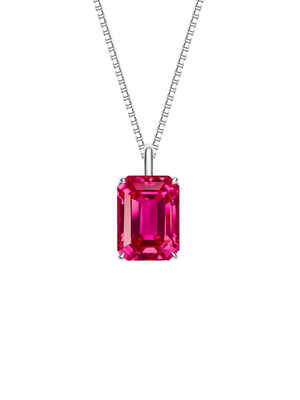
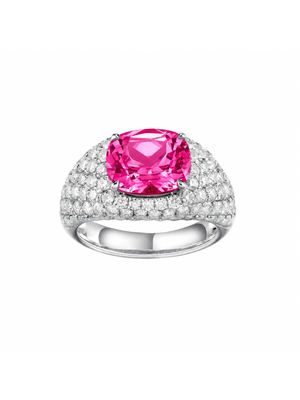
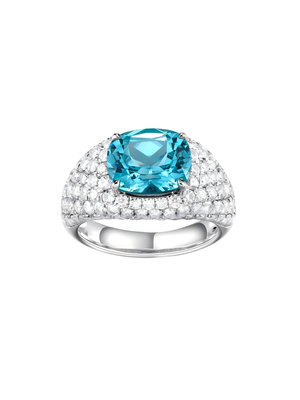
Sterling silver care does not need to be complicated. The habits that make the biggest difference are simple: limit contact with chemicals, wipe jewelry after wear, store it dry, clean it according to its finish, and check the setting before small issues become repairs.
Tarnish is normal. It does not mean your jewelry is low quality or permanently damaged. Sterling silver reacts with substances in the air and with moisture, perspiration, cosmetics, chlorine, and sulfur-containing materials. Consistent care slows that reaction and makes light tarnish easier to remove.
The Quick Answer
For everyday care, put jewelry on after cosmetics, remove it before water or exercise, wipe it with a soft cloth, and store each piece separately in a dry pouch. Use a silver polishing cloth only on exposed sterling silver. Gold vermeil and gemstone-set jewelry need gentler, finish-specific care.
What Is Sterling Silver?
Sterling silver is an alloy made from 92.5% silver and 7.5% other metals, commonly copper. Pure silver is soft, so the alloy improves strength for jewelry while preserving silver's bright appearance.
The added metals also make sterling silver more reactive than pure silver. Over time, the surface can develop yellow, gray, or dark tarnish. This is a surface reaction, not rust, and it can usually be managed with appropriate cleaning.
Habit 1: Put Jewelry On Last and Take It Off First
Apply lotion, sunscreen, perfume, hairspray, and makeup before putting on your jewelry. Give products time to dry so less residue transfers to the metal and gemstones.
Remove sterling silver before:
- Swimming in a pool, hot tub, or ocean
- Showering or bathing
- Exercising or playing contact sports
- Cleaning with bleach or household chemicals
- Sleeping, especially in delicate chains or raised settings
Chlorine and bleach can accelerate tarnish and may damage metal. Salt, perspiration, and cosmetics also leave residue that changes how polished surfaces and gemstones reflect light.
Habit 2: Wipe Jewelry After Each Wear
A ten-second wipe prevents residue from building up.
Use a clean, soft, lint-free cloth to remove fingerprints, skin oil, and moisture. Hold chains by the clasp or a supported section rather than pulling them tight. For earrings, wipe the posts and backs as well as the visible front.
Do not scrub gemstone settings aggressively. Fibers can catch on prongs, and pressure can loosen a stone that was already moving.
Habit 3: Store Silver Dry and Separately
Humidity and open-air exposure speed up tarnish. A bathroom counter is one of the least helpful places to store silver jewelry.
Instead:
- Make sure the piece is completely dry before storing it
- Use an individual soft pouch or lined compartment
- Add an anti-tarnish strip or small desiccant packet in humid climates
- Keep chains fastened and laid flat to reduce knots
- Separate pieces so metal and gemstones do not scratch one another
- Keep silver away from rubber bands and sulfur-containing paper
Individual storage also protects polished surfaces and keeps prongs from catching on other jewelry.
Habit 4: Match the Cleaning Method to the Finish
“Sterling silver” may describe the base metal, but the visible surface can be bare silver, intentionally oxidized, or covered with gold vermeil. These finishes should not all be cleaned the same way.
Bare Sterling Silver
For light tarnish, use a polishing cloth made specifically for silver. Rub gently and avoid excessive pressure. Polishing removes a very small amount of surface metal, so more is not always better.
For plain, uncoated sterling silver without sensitive gemstones, mild soap and lukewarm water may be appropriate. Rinse carefully and dry immediately. Do not use toothpaste, rough paper towels, scouring powders, or stiff brushes. Their abrasives can leave fine scratches.
Gold Vermeil Over Sterling Silver
Gold vermeil is sterling silver finished with a layer of gold. Drexey's 18K Double Gold Vermeil uses a 925 sterling silver base with 5 microns of 18K gold and no nickel or base-metal intermediate layer.
Do not use silver polish, chemical dips, abrasive cloths, or baking soda on the plated surface. These methods can wear away the gold finish. Use a soft dry cloth, or a slightly damp cloth when needed, and dry the piece immediately. Do not soak vermeil jewelry.

Sterling Silver With Gemstones
The safest method depends on the gemstone, treatment, adhesive, setting, and surface finish. Some gems have surface-reaching features, coatings, fillers, or sensitivity to heat and rapid temperature changes.
Avoid ultrasonic and steam cleaning unless a jeweler confirms that the complete piece is suitable. Ultrasonic vibration can loosen settings, and not every gemstone or treatment tolerates it.
When in doubt, use a soft cloth and ask for care instructions specific to the finished piece.
Habit 5: Inspect the Setting and Clasp
Cleaning is also a good time to check construction.
Look for:
- A stone that moves or clicks when the piece is gently handled
- A prong that appears lifted, thin, or caught on fabric
- A clasp that does not close fully
- A chain link that is stretched or open
- New scratches, dents, or worn plating in high-contact areas
Stop wearing the piece if a stone or clasp feels insecure. Professional inspection is less expensive than replacing a lost gemstone.
What Not to Use on Sterling Silver Jewelry
Avoid:
- Toothpaste and abrasive powders
- Bleach, chlorine, and household cleaners
- Unverified silver dips
- Rough paper towels or stiff brushes
- Boiling water
- Automatic ultrasonic cleaning without checking the complete piece
- DIY chemical reactions on vermeil, oxidized finishes, or gemstone-set jewelry
The popular baking soda and aluminum foil method may change a tarnished silver surface, but it is not appropriate for every finish or gemstone. It can also affect intentionally oxidized details and plated surfaces. A controlled, material-specific method is safer.
Frequently Asked Questions
Does sterling silver tarnish?
Yes. Tarnish is a normal surface reaction and can be accelerated by humidity, salt air, perspiration, cosmetics, chlorine, bleach, and sulfur-containing materials.
Can I wear sterling silver every day?
Yes, provided the design suits your activities. Regular wear may reduce heavy tarnish on exposed surfaces, but jewelry should still be removed for swimming, showering, exercise, and chemical exposure.
Can I clean sterling silver with toothpaste?
It is better not to. Toothpaste can contain abrasives that leave fine scratches, especially on polished silver and plated finishes.
How often should I polish sterling silver?
Only when visible tarnish requires it. Wiping after wear and storing the piece properly reduces the need for polishing. Aggressive or frequent polishing removes surface metal over time.
How do I clean 18K gold vermeil over sterling silver?
Use a soft dry or slightly damp cloth, then dry immediately. Do not soak it or use silver polish, chemical dips, baking soda, or abrasive polishing compounds on the gold surface.
Why does my gemstone jewelry look dull?
Oil, lotion, soap, and residue may be blocking light on the surface or beneath the stone. Cleaning must still match the gemstone, setting, and metal finish. Dullness can also come from abrasion or damage, so professional inspection may be appropriate if gentle care does not help.
The Drexey Approach to Everyday Care
Jewelry belongs in everyday life, but everyday wear still benefits from thoughtful care. A soft cloth, dry storage, and a few seconds of inspection preserve the finish and help keep settings secure.
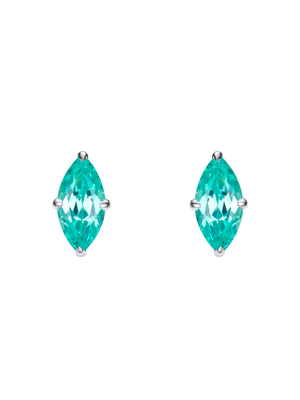
Explore the ROMY Oval-Cut Lab-Grown Gemstone Stud Earrings or revisit this guide whenever a piece needs cleaning.